Hives (Urticaria) and Angioedema
Hives (urticaria) and angioedema are common conditions that cause itching and swelling of the skin. While often uncomfortable and alarming, most forms are not dangerous and can be effectively managed. Dr Koppula at Praana Center for Asthma and Allergy, focuses on identifying the underlying cause of hives or swelling and creating a personalized treatment plan to help patients regain comfort and confidence.
-
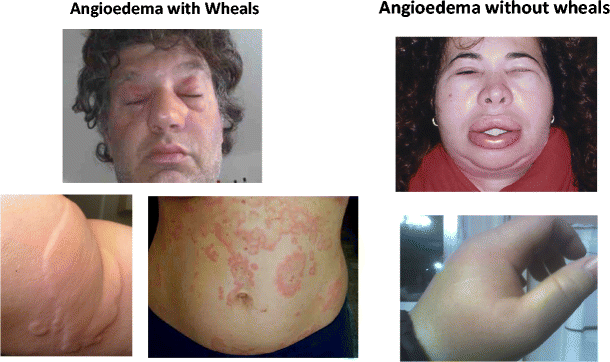
Hives are raised, itchy welts that may appear pink, red, or skin-colored and can occur anywhere on the body. They often develop suddenly and may change shape or location over hours. Individual hives typically fade within 24 hours without leaving marks or bruising.
About one in four people will experience hives at some point in their lives. Hives can occur at any age and may appear with or without swelling.
-
Angioedema is swelling that occurs deeper beneath the skin, often affecting the face, lips, tongue, throat, hands, feet, or genitals. Swelling may be painful or tight rather than itchy. Abdominal swelling can also occur and may cause pain or nausea.
Throat or tongue swelling can be life-threatening and requires immediate medical attention. Angioedema can occur on its own or together with hives. Because swelling can occur through different biological mechanisms, identifying the cause is essential for choosing the right treatment.
-
Doctors classify hives based on how long they last:
Acute urticaria
Lasts less than six weeks
Often triggered by viral infections, medications, foods, insect bites, or environmental exposures
Chronic urticaria
Lasts longer than six weeks
May occur with or without angioedema
Usually not caused by allergies
Chronic hives are further divided into chronic spontaneous urticaria (no clear trigger) and chronic inducible urticaria(triggered by physical factors).
-
ome people develop hives in response to specific physical triggers, including:
Scratching or pressure on the skin (dermatographic urticaria)
Tight clothing or prolonged pressure
Heat, sweating, or exercise (cholinergic urticaria)
Cold exposure
Sunlight
Water contact
Vibration
These forms are not dangerous but can significantly affect daily comfort.
-
n many patients with chronic spontaneous urticaria, no specific trigger is found. This can be frustrating, but it is important to understand that chronic hives are rarely due to food or environmental allergies.
In some cases, chronic hives may be associated with autoimmune conditions, such as thyroid disease. When this occurs, patients often have other symptoms such as joint pain, fatigue, or fevers.
Spontaneous remission is common—many patients improve within two to three years
-
Swelling that occurs without hives may require additional evaluation. Antihistamines may not always be effective because the swelling may not be histamine-mediated.
Possible causes include:
Medications such as aspirin, NSAIDs, or ACE inhibitors (blood pressure medications ending in “-pril”)
Hereditary angioedema (HAE), a rare genetic condition involving C1 inhibitor deficiency
Acquired angioedema related to other medical conditions
Standard allergy medications do not treat hereditary angioedema, but targeted therapies are available once diagnosed.
-
Treatment focuses on:
Relieving itching and swelling
Preventing flare-ups
Achieving complete or near-complete symptom control
Minimizing medication side effects
-
Antihistamines
Non-sedating antihistamines are the first-line treatment for hives and are often used at higher-than-standard doses under medical supervision. They are generally well tolerated and effective.Advanced Therapies
For patients whose symptoms are not controlled with antihistamines:Omalizumab (monthly injection) is FDA-approved for chronic spontaneous urticaria
Dupilumab can reduce itching and hive severity
Remibrutinib, an oral targeted therapy, is FDA-approved for adults with chronic spontaneous urticaria
Short courses of oral steroids may be used for severe flares but are not recommended for long-term management.
Angioedema-specific Treatment
Treatment depends on the cause. Medication-related swelling requires stopping the offending drug. Hereditary angioedema requires specialized therapies. -
Chronic hives often improve over time:
About 50% resolve within 1–2 years
80–90% improve within 5 years
Recurrence can occur, even after long periods of remission.
Schedule a Hives or Swelling Evaluation
If you are experiencing persistent hives, unexplained swelling, or facial or throat swelling, expert evaluation is important. We provide comprehensive care for both common and complex forms of urticaria and angioedema.