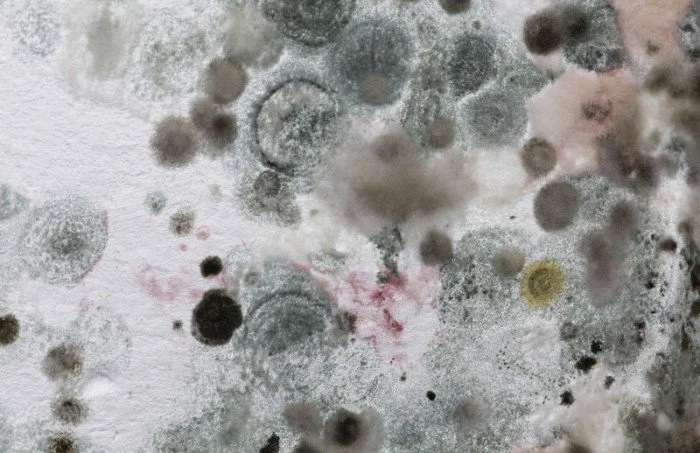
Mold Allergy Care for Children and Adults
Mold allergies are a common cause of year-round and seasonal allergy symptoms. Molds are microscopic fungi that release spores into the air and thrive in damp or humid environments. Mold can be found outdoors, as well as indoors in homes, schools, and workplaces.
While everyone breathes in mold spores, some individuals develop allergic reactions or asthma symptoms when exposed. At Dr Koppula’s office at Praana Center for Asthma and Allergy, we provide expert evaluation and treatment of mold allergies for children and adults, helping patients gain control of symptoms and improve quality of life.
Our office is located in Willowbrook, Illinois, and we care for patients from Hinsdale, Clarendon Hills, Oak Brook, Downers Grove, and surrounding communities.
What Causes Mold Allergies?
In individuals with mold allergy, the immune system is overly sensitive to certain mold spores and mistakenly identifies them as harmful. When mold spores are inhaled, the immune system releases inflammatory chemicals that trigger allergy symptoms.
There are hundreds of types of mold, but only a few commonly cause allergic reactions. The most frequent allergy-triggering molds include:
Alternaria
Aspergillus
Cladosporium
Penicillium
Mold growth requires moisture, moderate temperatures, oxygen, and an organic food source. Because these conditions are common in both indoor and outdoor environments, exposure can be difficult to avoid without a targeted plan.
Common Symptoms of Mold Allergy
Mold allergy symptoms may occur outdoors on days with high mold spore counts or indoors if mold is present in the environment. Symptoms often overlap with other environmental allergies and may include:
Sneezing
Itchy nose, mouth, or lips
Runny nose or post-nasal drip
Nasal congestion
Itchy, watery, or red eyes
For some patients, mold exposure can also trigger asthma symptoms, such as:
Wheezing
Shortness of breath
Chest tightness
Cough
How Mold Allergies Are Diagnosed
Because mold allergy symptoms can mimic other allergic and non-allergic conditions, proper testing is important.
An allergist can evaluate whether mold is contributing to symptoms through:
A detailed medical and environmental history
Skin prick testing, which provides reliable results within minutes
Additional testing when appropriate
Accurate diagnosis allows for targeted treatment and avoids unnecessary medication use.
Managing and Treating Mold Allergies
Environmental Control and Avoidance
Reducing exposure to mold is an important part of symptom management. Practical steps may include:
Staying indoors on days when outdoor mold levels are high
Avoiding activities that stir up mold spores, such as raking leaves or working in damp, uncut fields
Showering and washing hair after outdoor exposure
Repairing leaking pipes or faucets promptly
Keeping indoor humidity below 60%
Using dehumidifiers in basements or damp areas
Removing moisture-retaining materials such as basement carpeting
Cleaning visible mold from hard surfaces using appropriate cleaning solutions
Medical Treatment Options
When avoidance alone is not sufficient, treatment may include:
Oral antihistamines
Steroid nasal sprays to reduce inflammation
Antihistamine eye drops for eye symptoms
Asthma medications if mold triggers lower airway symptoms
Allergy Immunotherapy (Allergy Shots)
For patients with persistent or severe symptoms, allergy immunotherapy may be recommended. Allergy shots work by gradually exposing the immune system to small amounts of mold allergen over time, helping the body build tolerance and reduce symptoms long-term.
Mold Allergy Care Near Hinsdale and western suburbs of Chicago
Praana Center for Asthma and Allergy is conveniently located in Willowbrook, IL, and welcomes patients from Hinsdale and surrounding suburbs seeking expert, evidence-based allergy care.
If mold allergies are affecting your comfort, sleep, or asthma control, we can help develop a personalized treatment plan.