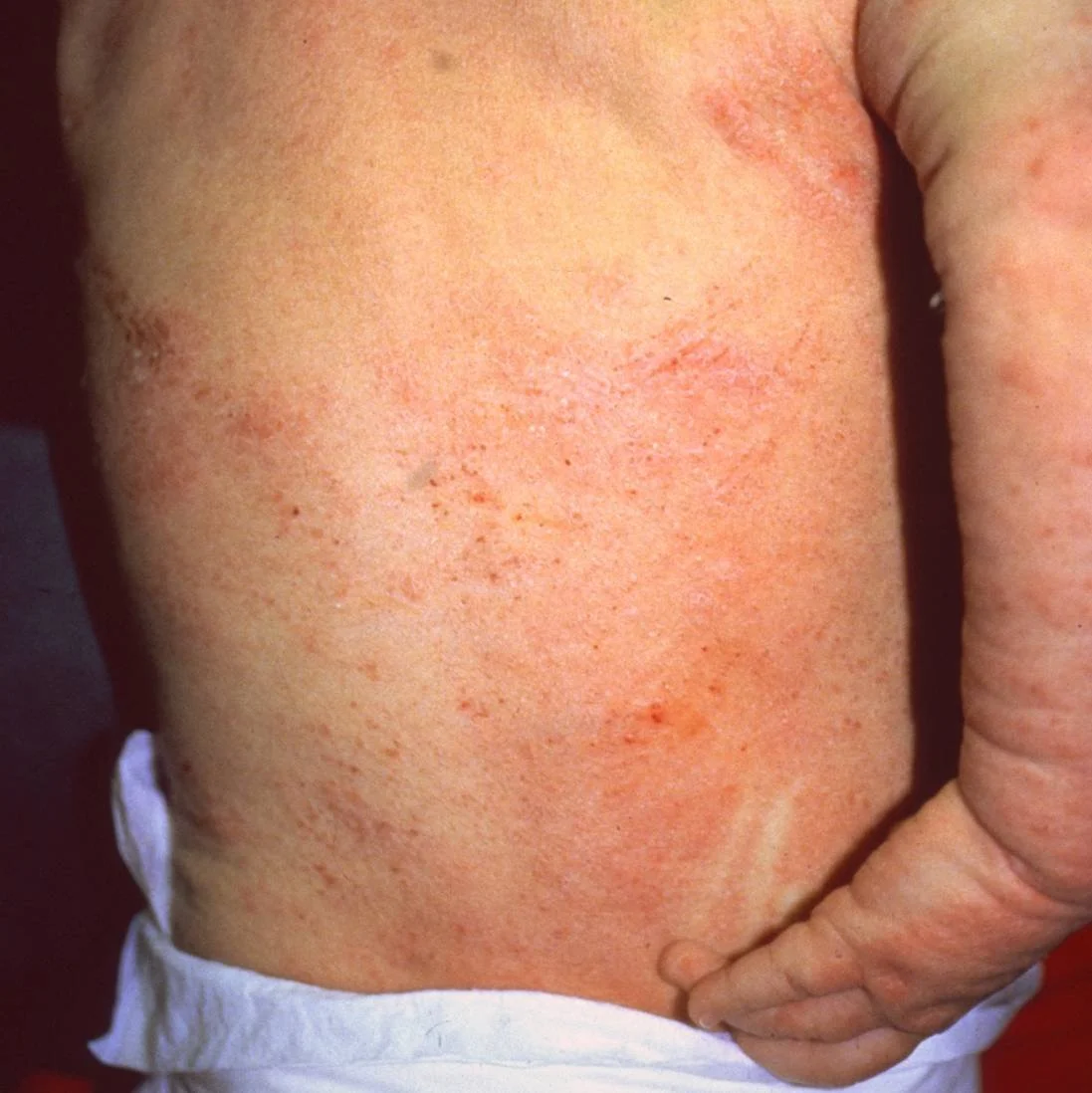
Eczema (Atopic Dermatitis) Care for Children and Adults
Eczema, also known as atopic dermatitis, is a chronic inflammatory skin condition that causes dry, itchy, irritated skin and can significantly affect sleep, daily comfort, and quality of life. At Praana Center for Asthma and Allergy, we provide individualized, evidence-based eczema care for infants, children, and adults, focusing on long-term control, skin barrier repair, and prevention of disease flares.
-
Eczema is a long-term inflammatory condition of the skin that most commonly begins in infancy or early childhood but may persist into adulthood or develop later in life. It is characterized by intense itching, dryness, and recurrent rashes.
In many patients, eczema is related to a weakened skin barrier. Some individuals have a genetic variation affecting a protein called filaggrin, which normally helps the skin retain moisture and protect against irritants and allergens. When this barrier is impaired, the skin becomes more vulnerable to inflammation.
Eczema may appear differently depending on age and skin tone. In patients with darker skin, redness may be less visible, and rashes may appear gray, violet, or dark brown.
-
Eczema symptoms often worsen when the skin is exposed to irritants or allergens, including:
Soaps, detergents, and fragrances
House dust mites
Pollens and animal dander
Smoke and environmental pollutants
Heat, cold, or low humidity
Stress and illness
Identifying and minimizing triggers is an important part of long-term eczema management.
-
Common symptoms of eczema include:
Persistent itching
Dry, scaly, or rough skin
Red or discolored patches
Scratch marks or open areas
Thickened skin from chronic scratching
In infants and young children, eczema often affects the scalp, cheeks, elbows, and knees. In adults, it commonly involves the wrists, elbows, knees, ankles, neck, and face.
Because other skin conditions such as psoriasis or contact dermatitis can resemble eczema, diagnosis should be made by an allergist or immunologist after careful evaluation.
-
Approximately half of individuals with eczema also have other allergic conditions, including asthma, allergic rhinitis (hay fever), or food allergies. Poorly controlled eczema increases the risk of skin infections caused by bacteria, viruses, or yeast.
Routine food avoidance or broad food allergy testing is not recommended without a clear history of food reactions. Any dietary changes should be discussed with your allergist.
-
The primary goals of eczema care are to:
Reduce itching and inflammation
Restore and protect the skin barrier
Improve sleep quality and daily functioning
Minimize medication side effects
Improve skin appearance and confidence
Treatment plans are personalized based on disease severity, age, lifestyle, and patient preferences.
-
Skin Irritants
Wear soft, breathable fabrics
Wash new clothes before wearing
Keep fingernails short
Use fragrance-free skin care products
Environmental Allergens
Dust mites and animal dander may worsen eczema in sensitized individuals.Foods
Infants with eczema may be more prone to developing food allergies, but eliminating foods without medical guidance is discouraged.Other Triggers
Stress, illness, extreme temperatures, and dry environments may contribute to flares. -
Topical treatments are applied directly to the skin and include:
Moisturizers to repair the skin barrier
Topical corticosteroids to reduce inflammation during flares
Non-steroidal anti-inflammatory creams, including calcineurin inhibitors, phosphodiesterase inhibitors, JAK pathway inhibitors, and aryl hydrocarbon receptor agents
Your allergist will recommend therapies based on age, location, and severity of eczema.
-
Daily moisturizing is essential. After bathing in lukewarm water, gently pat the skin dry and immediately apply moisturizer to slightly damp skin to lock in moisture. Products containing petrolatum or ceramides are often beneficial.
Moisturizers are not steroids and are safe for frequent use.
-
For moderate to severe eczema that does not respond to topical therapy, systemic treatments may be considered:
Biologic medications, including dupilumab (approved for infants through adults)
Oral targeted therapies, such as JAK inhibitors, for adolescents and adults
Other immunosuppressive medications in select cases
Your allergist will discuss benefits, risks, and monitoring.
-
Additional Treatment Options
Phototherapy (light therapy)
Wet-wrap therapy during severe flares
Treatment of secondary skin infections
Dilute bleach baths when appropriate
Stress-management techniques
Antihistamines may help with sleep but do not directly treat eczema itch.
Schedule an Eczema Consultation
If eczema is affecting your or your child’s comfort, sleep, or quality of life, expert care can help. We offer comprehensive evaluation and advanced treatment options tailored to your needs.