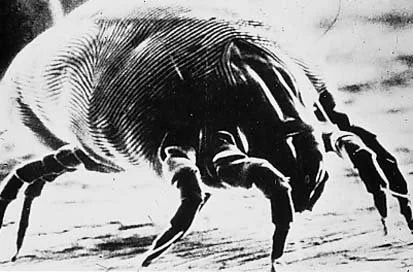
A Common Cause of Year-Round Allergies, Asthma, and Eczema
Dust mites are microscopic organisms that live in household dust and are one of the most common indoor allergy triggers. At Praana Center for Asthma and Allergy, we help children and adults identify dust mite allergy and develop personalized treatment plans to reduce symptoms and improve long-term respiratory health.
-
Yes. Dust mite allergy is a common trigger for asthma symptoms and asthma development, especially in children. Reducing exposure and treating the allergy can significantly improve asthma control.
-
Yes. Children with eczema may experience flares when exposed to dust mites in bedding and clothing.
-
Yes. Identifying dust mite allergy allows targeted treatment and may reduce asthma flares.
What Are Dust Mites?
Dust mites are tiny, invisible organisms that thrive in warm, humid indoor environments. They are commonly found in mattresses, pillows, bedding, carpets, upholstered furniture, and clothing. While harmless to most people, dust mites produce allergenic proteins that can trigger inflammation in sensitive individuals pasted
Why Dust Mites Trigger Allergies
Dust mite allergens are found primarily in mite waste particles. These particles settle into fabrics and bedding and are released into the air when disturbed—such as during sleep, making the bed, or vacuuming. Exposure can trigger allergic inflammation even without visible dust or mold pasted.
Symptoms of Dust Mite Allergy
Dust mite allergy often causes persistent, year-round symptoms, including:
Sneezing and nasal congestion
Runny or itchy nose
Itchy, watery eyes
Chronic cough or post-nasal drip
Wheezing or asthma flares
Poor sleep or morning symptoms
Worsening eczema or itchy skin
Symptoms are frequently worse at night or upon waking due to exposure from bedding
Who Is at Higher Risk?
You or your child may be more likely to have dust mite allergy if there is:
A history of asthma, allergic rhinitis, or eczema
A family history of allergies
Year-round symptoms without a clear seasonal trigger
Symptoms that worsen indoors or during sleep
Living in a home with carpeting, upholstered furniture, or higher indoor humidity
How We Diagnose Dust Mite Allergy
Diagnosis begins with a detailed clinical history and is confirmed using:
Skin prick testing
Blood testing for dust mite–specific IgE antibodies
These tests are highly reliable when interpreted by a board-certified allergist and help guide both environmental and medical treatment decisions pasted.
Reducing Dust Mite Exposure at Home
Effective dust mite control requires a multi-step approach:
Maintain indoor humidity between 35–45%
Use dust-mite–proof mattress and pillow encasements
Wash bedding weekly
Vacuum carpets and upholstery regularly using a HEPA vacuum
Minimize carpeting and upholstered furniture when possible
Single interventions alone are often insufficient—consistent combined strategies provide the best results pasted.
Treatment Options for Dust Mite Allergy
Treatment is individualized and may include:
Antihistamines or nasal sprays for symptom control
Asthma controller medications when indicated
Allergen immunotherapy (allergy shots or sublingual tablets), which can reduce symptoms, medication needs, and long-term disease progression
Immunotherapy has been shown to be effective for dust mite–induced allergic rhinitis and asthma and may also benefit select patients with eczema pasted
-
Dust mite allergy usually causes year-round nasal allergy and asthma symptoms. Unlike pollen, dust mites live indoors and are present in all seasons. Symptoms often worsen during sleep or in humid environments.
-
Yes. Dust mite allergy is strongly linked to asthma development and asthma flares, particularly in children. Ongoing exposure can increase airway inflammation and symptoms if not treated.
-
Air purifiers may help reduce airborne particles but do not address the main sources of dust mite allergens. Controlling bedding, humidity, and dust reservoirs is far more effective.
-
Children with year-round congestion, nighttime coughing, frequent asthma symptoms, or eczema flares may have dust mite allergy. Diagnosis is confirmed with skin testing or blood testing by an allergis
-
Testing helps confirm the diagnosis and guides treatment decisions, especially when considering allergy shots or sublingual immunotherapy
-
Yes. Dust mite exposure can worsen atopic dermatitis (eczema) in sensitized individuals, particularly in children.
Expert Evaluation for Dust Mite Allergy
If you or your child has year-round allergy, asthma, or eczema symptoms, a dust mite allergy evaluation may provide answers.
Schedule an appointment at Praana Center for Asthma and Allergy to receive expert testing, education, and personalized treatment.