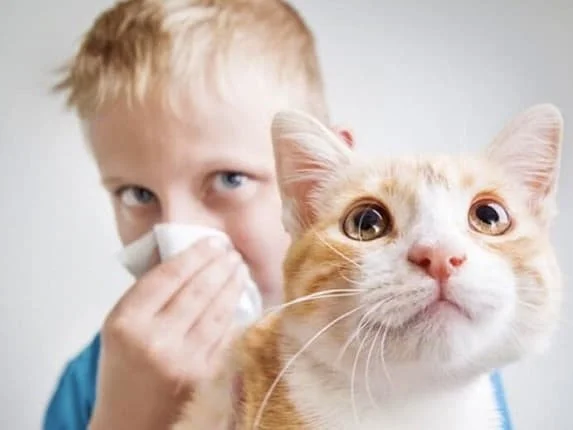
Cat Allergy Care for Children and Adults
If you notice sneezing, nasal congestion, itchy or watery eyes, coughing, or wheezing after being around cats, you may have a cat allergy. Cat allergies are a common cause of ongoing allergy symptoms because exposure can occur in many indoor environments—including homes, schools, workplaces, and daycare centers—even when a cat is not physically present.
At Praana Center for Asthma and Allergy, we evaluate and treat cat allergies in both children and adults, helping patients understand their triggers and develop practical, effective treatment plans.
What Causes Cat Allergies?
Cat allergies are triggered by proteins (allergens) produced by cats. These allergens are found in:
Cat skin flakes (dander)
Saliva
Fur
All cats produce allergens. Despite popular belief, studies have not shown that any cat breed is truly hypoallergenic. Factors such as hair length, a cat’s sex, or how much time a cat spends indoors do not reliably reduce allergen levels. Homes with multiple cats typically have higher allergen exposure.
In some cases, allergy symptoms around cats may be due to pollen or dust carried on the cat’s coat, rather than the cat itself. Allergy testing helps clarify the true trigger.
Why Cat Allergies Can Be Persistent
Cat dander particles are extremely small and lightweight. When disturbed—such as by movement, vacuuming, or sitting on furniture—these allergens can remain airborne for extended periods of time. This allows for continuous exposure, even after the cat has left the room, and explains why symptoms can feel constant or difficult to control.
Common Cat Allergy Symptoms
Symptoms can range from mild to severe and may appear within minutes in highly sensitive individuals. Common symptoms include:
Sneezing, runny nose, or nasal congestion
Facial pressure or sinus discomfort
Itchy, red, or watery eyes
Coughing, chest tightness, wheezing, or shortness of breath
Skin rash or hives
Some people may also develop hives or localized skin reactions after being scratched by a cat.
How Cat Allergies Are Diagnosed
If you suspect a cat allergy, an allergist can confirm the diagnosis and help guide treatment.
Skin Prick Testing
Skin testing is the most common and reliable way to diagnose cat allergy. A small amount of cat allergen extract is placed on the skin, and the skin is gently pricked. Results are typically available within 15–20 minutes.
Even if symptoms seem clearly related to cats, testing is important because similar symptoms can be caused by other environmental allergens.
Managing and Treating Cat Allergies
Allergen Avoidance
Avoidance is the most effective way to reduce symptoms. For patients with severe symptoms, removing the cat from the home may be recommended.
When avoidance is not possible, symptom reduction strategies may include:
Keeping the cat out of the bedroom
Washing hands after contact with the cat
Using HEPA air purifiers in frequently used rooms
Vacuuming regularly with a high-efficiency vacuum
Bathing the cat weekly to reduce airborne allergen levels
Restricting a cat to one room does not prevent allergens from spreading throughout the home.
Medical Treatment Options
Treatment depends on symptom type and severity and may include:
Antihistamines for sneezing, itching, and runny nose
Steroid nasal sprays for nasal congestion
Antihistamine eye drops for eye symptoms
Inhalers or asthma medications if lower airway symptoms are present
Allergy Immunotherapy (Allergy Shots)
Allergy shots can be an effective long-term treatment by gradually building tolerance to cat allergens. This option may be considered for patients with persistent symptoms that are not well controlled with medications alone.
Is There an Allergy-Free Cat?
At this time, there is no truly allergy-free or hypoallergenic cat. All cats produce allergens, regardless of breed or appearance. Allergy testing and individualized counseling can help determine the safest and most realistic approach for each patient and family.
Cat Allergy Care Near Hinsdale, Oakbrook, Burr Ridge
Praana Center for Asthma and Allergy is located in Willowbrook, Illinois, and we care for patients from Hinsdale, Clarendon Hills, Oak Brook, Downers Grove, and nearby communities.
If cat allergy symptoms are affecting your quality of life, we can help you develop a plan that balances symptom control, safety, and daily living.